
REVIEW · WHALE & DOLPHIN WATCHING CRUISES
San Diego: Whale Watching Cruise
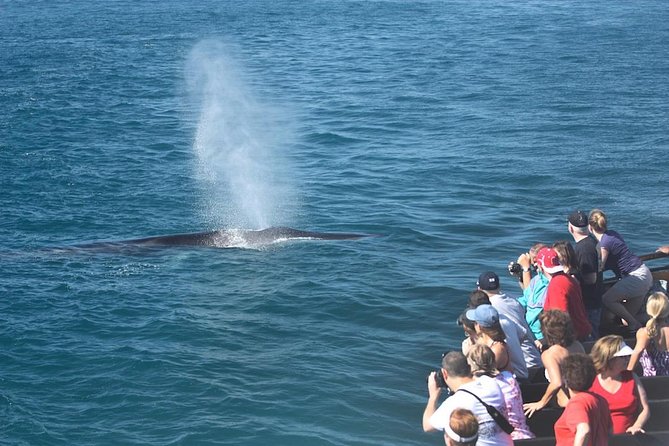
San Diego’s Mission Bay puts you close to the action fast. This whale watching cruise is a simple, well-run ride out past the bay where whales and dolphins roam year-round, and you get live commentary from a marine biologist as you scan the water. It’s also practical: you’re not stuck outside the whole time, since there’s both indoor and outdoor seating.
I like the setup because it balances science and real sightseeing. You’re going at a speedy pace to reach open ocean, then you spend real time looking and listening, with the crew keeping things organized and even helping folks who get motion sickness. One thing to consider: the day can swing based on sea conditions, and you’ll want to plan around a possible cancellation if the water is too rough.
In This Review
- Key Things That Matter Most On This Whale Watching Cruise
- From Mission Bay To Open Ocean: How The Trip Actually Feels
- Pricing And Value: Is $70 Worth It?
- Seasonal Timing: What You’ll Be Doing For 2.5–3 Hours
- The Wildlife Scanning Game (And Why The Crew’s Search Matters)
- The Marine Biologist On Board: What You Gain Beyond Sightings
- Indoor vs Outdoor Seating: A Small Choice That Changes Everything
- Snacks, Drinks, And The Little Logistics That Affect Comfort
- Photos And Memories: Quick Deliveries When You Get The Shot
- Who This Cruise Is Best For
- Tips To Get More Out Of Your Time On The Water
- Should You Book This Whale Watching Cruise?
- FAQ
- How long is the whale watching cruise?
- Where do I check in for the cruise?
- What animals might I see?
- What’s included in the ticket price?
- Do they sell snacks and beverages onboard?
- Is the tour wheelchair accessible or suitable for people with heart problems?
Key Things That Matter Most On This Whale Watching Cruise
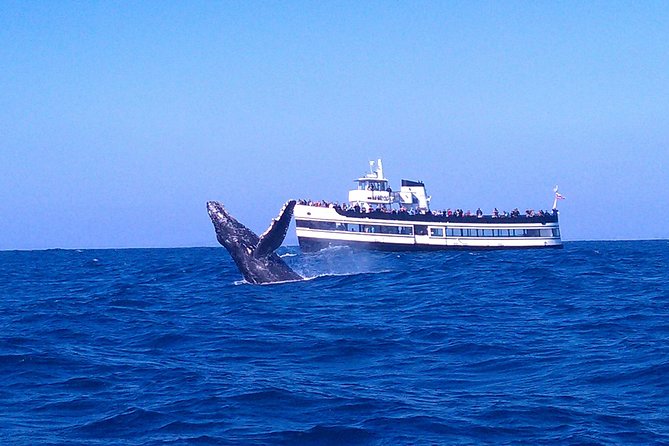
Marine-biologist live narration that explains what you’re seeing while you’re seeing it.
Year-round wildlife chances for whales and dolphins, plus sea lions and seabirds on many trips.
Indoor and outdoor seating so you can choose sun, shade, or shelter.
Free parking included, which matters in San Diego.
Bring patience for long scanning stretches if the animals don’t surface right away.
Check in early for your physical boarding pass, since the line starts before you think it will.
More chances to catch the gray whales off San Diego
- San Diego Whale Watching & Dolphin Cruise
★ 4.5 · 1,588 reviews - San Diego Whale Watching Cruise
★ 4.5 · 663 reviews - San Diego: Whale Watching Tour – Flagship Cruises & Events
★ 4.1 · 315 reviews - Dolphin and Whale Watching Sunset Cruise
★ 4.5 · 249 reviews - San Diego: Whale and Dolphin Watching Cruise
★ 4.3 · 186 reviews
From Mission Bay To Open Ocean: How The Trip Actually Feels
This cruise starts in a very straightforward way: you check in at the marina-area ticket booth 45 minutes before departure so you can finish the process and get your physical boarding pass. The booth is a small gray setup between H2O Jet Ski Rentals and the Fish & Chips Shop, facing the water—easy to find once you’re looking right at the marina.
Then comes the part you’ll feel in your body: a speedy voyage out to open ocean. That matters because whales and dolphins aren’t hanging out right at the shoreline; you’re going far enough to give the crew a real chance of finding active pods. On calm days, the ride out feels like a quick transition from city-to-sea. On choppier days, just know the water can feel very real, very fast.
If you’re coming with a motion-sickness history, don’t gamble. The cruise staff is attentive to passengers who get nauseous, and you’ll likely want to take medication before boarding rather than waiting to see how it goes.
Pricing And Value: Is $70 Worth It?
At $70 per person for a cruise that runs about 3 hours (or a bit shorter in winter), the value comes from what you actually get included—not just the viewing.
Here’s the deal: your ticket covers the whale watching cruise plus live commentary by a marine biologist, and it includes free parking. Food and drinks are not included, so if you plan to eat or grab beverages, budget extra for the onboard snack bar.
For many people, the best value is the combination: you’re paying for time on the water with a guide who helps you understand behavior, not just a random boat ride. Even when sightings vary day-to-day, a strong narration experience can turn waiting and scanning into something useful.
Bottom line: if you want a guided, science-forward whale watching outing with no parking stress, this pricing usually makes sense. If you’re hoping for guaranteed whales every time, keep your expectations flexible—nature doesn’t do checklists.
Seasonal Timing: What You’ll Be Doing For 2.5–3 Hours
Timing changes with the season, and it affects how long you’re out there looking.
- March–November: roughly 2.5–3 hours
- December–February: roughly 2–2.5 hours
Why this matters: a shorter winter outing can still be excellent for dolphins and other marine life, but your “window” is tighter. If you’re traveling in peak months, you get a bit more time for multiple scans and potential sightings.
Also, tours run rain or shine. So yes, bring layers. If you’re only wearing what’s comfortable on land, you’ll feel the ocean breeze the moment you leave the harbor.
The Wildlife Scanning Game (And Why The Crew’s Search Matters)
Once you’re out far enough, the cruise becomes a long, practical lesson in looking closely. You’ll be scanning for spouts, surfacing patterns, and movement near the water’s surface—then learning what those signals mean.
The sightings you can reasonably hope for include whales and dolphins, and many trips also turn up sea lions and birds. Dolphins are often the most reliable payoff. In one clear example, a trip delivered hundreds of dolphins even when whales weren’t seen that day. Another outing included dolphins plus sea lions and seabirds, with the boat going far out specifically to hunt for wildlife activity.
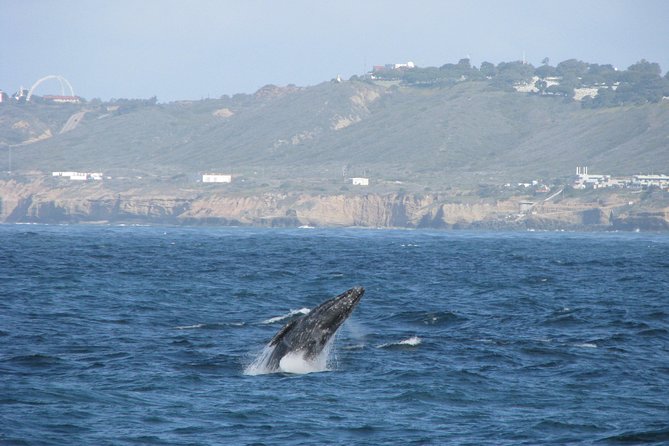
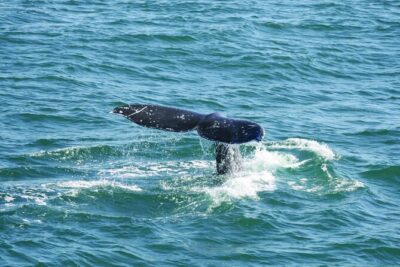
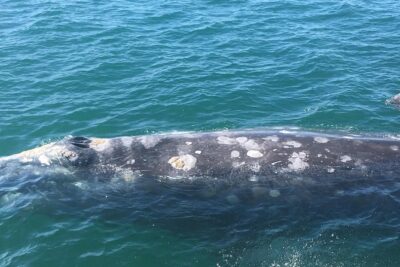
When whales do show up, it can be dramatic. Several rides highlight grey whales, humpback whales, and even a rare blue whale sighting. The common theme isn’t just the animal—it’s the way the crew keeps searching until they find something active.
If you’re the kind of person who wants instant action, you may feel the time between sightings. That’s not a failure; it’s part of marine wildlife watching. The best part is having a guide onboard so those in-between minutes turn into explanation rather than boredom.
Other San Diego boat tours on our list
- San Diego Harbor Cruise★ 4.5 · 2,980 reviews
- San Diego: Harbor Cruise★ 4.6 · 1,378 reviews
- San Diego Harbor Dinner Cruise★ 4.0 · 1,234 reviews
- San Diego Harbor Speed Boat Adventure★ 5.0 · 716 reviews
The Marine Biologist On Board: What You Gain Beyond Sightings
This is one of the biggest reasons the cruise earns such strong ratings. The marine biologist provides live narration, and it’s not vague. It’s built for understanding what you’re seeing—why you’re seeing it, and what that behavior suggests.
You’ll hear stories and explanations as the boat moves through the area. One review even pointed out that the guide was enthusiastic and informative and handled questions well, and another noted that the presentation could be even stronger with more back-and-forth conversation during the time between whale and dolphin sightings. That tells you the narration is active and engaging, even if the exact style may vary by day.
I like that you’re not only watching; you’re learning how to interpret marine life cues. It turns the experience into a real education, and it also helps you spot things faster once you know what to look for.
Indoor vs Outdoor Seating: A Small Choice That Changes Everything
You’ve got options onboard. Indoor and outdoor seating mean you can adapt to weather and sea conditions in real time.
If it’s sunny, you might want outside to catch the best sightlines. If it’s cold or windy, you’ll appreciate being able to warm up and still watch. This flexibility is a big deal because whale watching is a sitting-and-watching activity, and you want to be comfortable enough to stay focused for the full time out on the water.
And if you’re traveling with people who get fussy about cold air or rougher water, this setup makes it easier to keep everyone happy without missing the action.
Snacks, Drinks, And The Little Logistics That Affect Comfort
There’s a snack bar and beverage service onboard for purchase. Food and drinks are not included in the ticket price, so plan to buy what you need.
Some people go light and rely on the short time out at sea. Others want coffee or snacks to make the ride feel easier. Based on one experience, drink requests can be handled with strict limits for certain items (like creamers). I wouldn’t stress too much, but it’s a good reminder that onboard service can be casual and practical, not fancy.
If you care about comfort, bring what you need for a cool ride, and consider bringing your own water or snacks only if that’s allowed by the operator—your best move is to check the day’s rules during booking or before you go. (The only firm fact here is that food and drinks aren’t included.)
Photos And Memories: Quick Deliveries When You Get The Shot
One review mentioned that digital photos were delivered quickly. That’s the kind of service that turns into real value, because you don’t have to worry about getting every moment perfectly on your own camera.
If you’re hoping to capture whales and dolphins, be ready for the reality that timing is everything. When animals surface, it can be quick. Having staff photo support (when it’s available) helps you avoid going home with only a few blurry images.
Who This Cruise Is Best For
This whale watching cruise fits best if you want a guided outing with strong interpretation, not just a sightseeing stamp.
It’s especially good for:
- Couples and families who want a family-owned, well-run vibe
- People who enjoy marine biology-style explanations while they watch
- Travelers who want both comfort options: indoor and outdoor seating
- Anyone who values a calm, organized crew and clear communication
It’s not a match if:
- You have heart problems (the tour is not suitable)
- You use a wheelchair (not suitable for wheelchair users)
If you’re somewhere in the middle—healthy enough to handle boat rides and open to wildlife timing—this is likely a great fit.
Tips To Get More Out Of Your Time On The Water
I’ll keep this practical. Whale watching rewards the people who show up prepared.
1) Go early, not late. The check-in process happens 45 minutes before departure, and you need that physical boarding pass.
2) Dress for wind. Even if the day starts warm on land, the ocean air changes quickly.
3) Expect variety. Some days are whales-first, some days are dolphins-first, and some days bring sea lions and birds even when whales are quiet.
4) Take motion seriously. If you’re prone to motion sickness, plan ahead rather than improvising.
5) Ask questions. The biologist and crew handle questions, and it makes the scanning time more satisfying.
Should You Book This Whale Watching Cruise?
If your goal is a guided, science-forward whale watching experience with real odds at dolphins and other wildlife, I think it’s a strong choice. The cruise’s biggest selling points are the marine biologist narration and the organized, family-run feel, plus the comfort of indoor/outdoor seating.
Book it if you:
- Want value that includes the guide and free parking
- Are traveling in the warmer months and can use the longer outing
- Prefer learning while watching rather than just staring at the horizon
I’d hesitate if:
- You need a wheelchair-accessible option (it’s not suitable)
- You have heart issues (not suitable)
- You’re only satisfied by seeing a whale on day one (nature doesn’t cooperate on demand)
In short: if you show up prepared and flexible, you’ll likely leave with great wildlife memories—and a better sense of what you just saw.
FAQ
How long is the whale watching cruise?
Trips are about 2.5–3 hours from March to November, and about 2–2.5 hours from December to February. Exact starting times vary, so you’ll want to check availability.
Where do I check in for the cruise?
Check in at the ticket counter 45 minutes prior to departure at the small gray booth located between H2O Jet Ski Rentals and the Fish & Chips Shop, facing the marina. You should fill out the pre-arrival waivers before you arrive.
What animals might I see?
You can look for whales and dolphins year-round, and you may also spot sea lions and birds during the cruise.
What’s included in the ticket price?
Your ticket includes the whale watching cruise and live commentary, plus free parking. Food and drinks are not included.
Do they sell snacks and beverages onboard?
Yes. There’s a snack bar and beverages available for purchase onboard.
Is the tour wheelchair accessible or suitable for people with heart problems?
No. The activity is not suitable for wheelchair users, and it is also not suitable for people with heart problems.
More Boat Tours Near Balboa Park


More Whale and Dolphin Trips off San Diego
Just added: fresh San Diego tours worth a scroll






Whale & Dolphin Watching Cruises, compared.
 ★ 5.0San Diego Whale Watching CruiseFrom $852,317 reviews
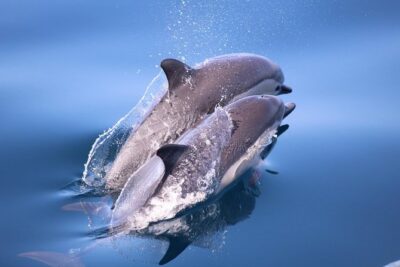 ★ 4.5San Diego Whale Watching & Dolphin CruiseFrom $711,588 reviews
★ 4.5San Diego Whale Watching CruiseFrom $54663 reviews
★ 4.5San Diego Whale Watching & Dolphin CruiseFrom $711,588 reviews
★ 4.5San Diego Whale Watching CruiseFrom $54663 reviews
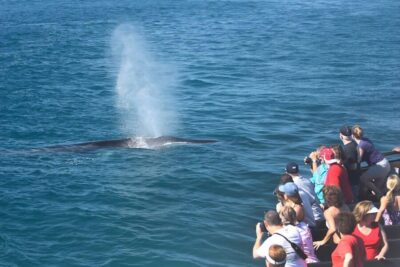 ★ 4.1Whale Watching Tour – Flagship Cruises & EventsFrom $54315 reviews
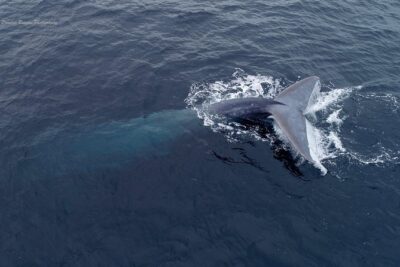 ★ 4.5Dolphin and Whale Watching Sunset CruiseFrom $71249 reviews
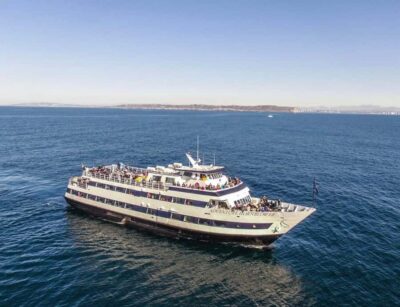 ★ 4.3Whale and Dolphin Watching CruiseFrom $77186 reviews
 ★ 4.0City Cruises San Diego: Whale and Dolphin Watching AdventureFrom $56143 reviews
 ★ 4.63 Hour Whale Watching CruiseFrom $34142 reviews
Browse the lists this tour appears in