
REVIEW · LA JOLLA COAST TOURS
2 Hour Private Group Surf Lesson in La Jolla
Two hours to trade feet for waves. In La Jolla, this private session gets you into the fun fast with the wetsuit and surfboard plus coaching that’s shaped around your skill and comfort. I like that it’s private, so you’re not guessing what to do next while everyone else is learning too.
I also like the flow. You start with beach footwork so your body learns the basics, then your instructor helps you paddle out, catch waves, and clean up technique in real time. Coaches like Cady and Jake stand out for making the whole experience feel safe and step-by-step, even when it’s your first day.
The main consideration is practical: you’ll want moderate physical fitness, and the lesson depends on good surf/weather. If conditions aren’t right, you’ll need to be flexible with timing.
In This Review
- Key things to know
- Meeting at Tourmaline Surf Park: your La Jolla surf start line
- Gear and comfort: wetsuit, surfboard, and bottled water
- Beach footwork drills: the lesson starts on land
- Into the ocean with CPR-certified coaching: paddling and wave attempts
- Technique by skill level: what changes between beginner, intermediate, and advanced
- The conservation lesson: surfing with an environmental mindset
- Timing and fitness: how to set yourself up for an easier lesson
- What you’re really paying for: value in private time
- Who this surf lesson fits best
- Should you book this La Jolla private surf lesson?
- FAQ
- How long is the private surf lesson?
- Where does the lesson start?
- Is this a private group or shared class?
- What’s included in the lesson?
- Will the instructor teach beginners and advanced surfers?
- Are the instructors trained for safety?
- What happens if the weather is poor?
- Can I get a refund if I cancel for personal reasons?
Key things to know
- Private 2-hour lesson for beginners, intermediate, and advanced surfers, all taught to your ability
- Gear provided: surfboard, wetsuit, and bottled water
- Beach-to-water progression: footwork drills first, then guided paddle-out and wave attempts
- CPR-certified instructors with safety as the top priority
- Ocean conservation connection built into the lesson
- Choose a start time that fits your schedule in La Jolla
More of the La Jolla coast, cove to Mount Soledad
- La Jolla Sea Caves Kayak Tour For Two (Tandem Kayak)
★ 4.5 · 1,205 reviews - Original La Jolla Sea Cave Kayak Tour for Two
★ 4.5 · 871 reviews - La Jolla: 2-Hour Kayak Tour of the 7 Caves
★ 4.5 · 586 reviews - SoCal Riviera Electric Bike Tour of La Jolla and Mount Soledad
★ 5.0 · 438 reviews - Cali Dreaming Electric Bike Tour of La Jolla and Pacific Beach
★ 5.0 · 387 reviews
Meeting at Tourmaline Surf Park: your La Jolla surf start line
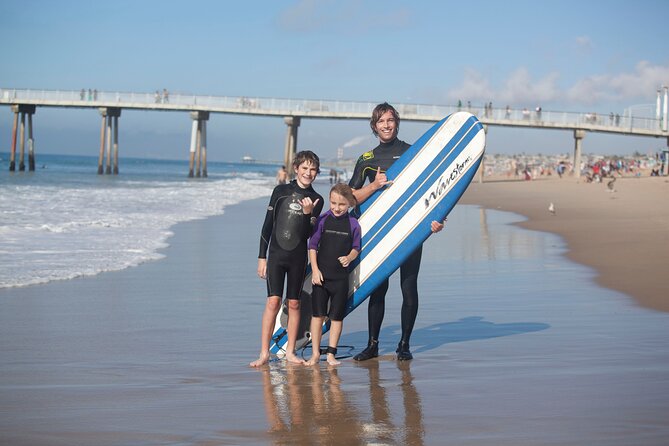
Most good surf lessons begin long before you step into the ocean. Here, you meet at Tourmaline Surf Park in San Diego (La Jolla area). That location matters because it’s the kind of spot where instructors can work through the full learning arc: gear up, teach from shore, then get you into the water with eyes on you.
This is also set up as a true private activity. Only your group participates, which changes the entire pace. You’re not doing a rotating shuffle of who gets attention first. If you need one more try standing on your board, that time stays yours.
You’ll have a mobile ticket, and the experience is offered in English. Start times can be chosen to match your day, which is handy when you’re also trying to fit in beach time, lunch, or a sunset walk.
One more practical point: the meeting spot is near public transportation, so you’re not locked into renting a car just to get in your lesson. You’ll end back at the same meeting point when the 2 hours are up, so there’s no mystery about the finish.
Gear and comfort: wetsuit, surfboard, and bottled water
Surf is physical, and comfort can make or break your focus. The lesson includes a wetsuit and surfboard, so you don’t have to shop, rent, or worry about whether you picked the wrong size gear.
Wetsuits do more than keep you warm. They also help with buoyancy and reduce that shock when you first get into colder water. That means you can spend your energy on learning rather than bracing yourself.
You’ll also get bottled water. That sounds basic, but on a physical lesson it matters. Two hours of paddling and short bursts of effort can sneak up on you, especially if you’re not used to being in and out of the water for training.
If you’re the type who likes to show up and have everything handled, this setup is a big win. You can focus on technique instead of logistics.
Beach footwork drills: the lesson starts on land
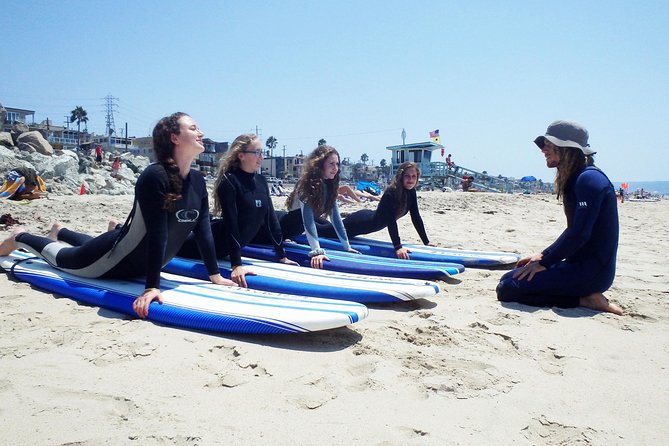
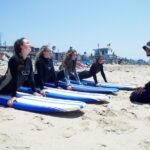
Before you ever paddle, you’ll do a basic warm-up on the beach. Expect footwork lessons on shore that teach you how to position yourself on the board before the hard part—timing your movement with waves—starts.
This is one of those steps that feels simple, but it’s exactly what keeps new surfers from getting frustrated later. When your stance and movement are clearer, you waste less time trying to “figure it out” while you’re already wobbling in the water.
Think of this as your foundation. You’re training your body to do the right motions quickly, so when the instructor tells you it’s time to attempt a wave, you’re not starting from scratch.
And because you’re with an instructor the whole time, you can ask for corrections as you go. That’s a big advantage of a private format: you’re not waiting for the next batch of group instructions.
Into the ocean with CPR-certified coaching: paddling and wave attempts
Once you’re out beyond the break, the lesson becomes a real skill session—not a vague “good luck” moment. The instructor is with you the entire time and focuses on three practical goals:
- helping you paddle out
- guiding you to catch waves
- improving your technique as you ride and reset
Safety is stated as the top priority, and the instructors are CPR-certified. That doesn’t just mean paperwork. It usually shows up in how the lesson is taught: clear steps, watchful supervision, and a focus on what you should do if something feels off.
Catching waves is the part people talk about most, but it’s also the part that’s easiest to misread when you’re new. This is where coaching matters. Even small adjustments—like when you start paddling, how you set your position, or how you respond when a wave passes—can change your odds fast.
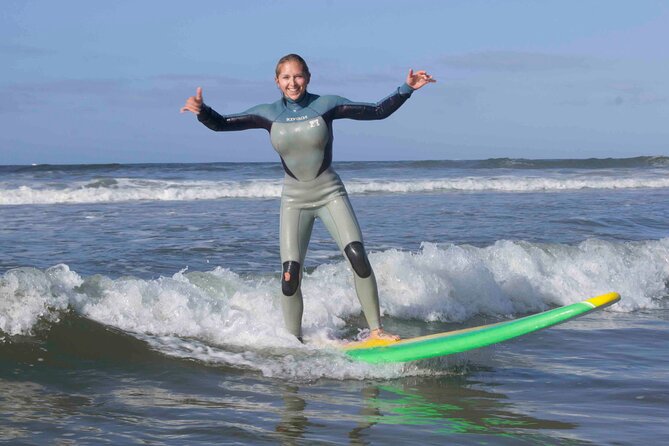
From the way instructors Cady and Jake are described, the teaching style leans practical and confidence-building. If you’ve never surfed before, that matters. Getting you into the water and getting you to succeed in basic attempts—rather than only explaining what might happen—helps the lesson stay fun instead of scary.
Still learning to surf? More lessons at La Jolla and Pacific Beach
- Learn to Surf in La Jolla★ 5.0 · 56 reviews
- La Jolla: 1.5-Hour Surfing Lesson★ 4.9 · 41 reviews
Technique by skill level: what changes between beginner, intermediate, and advanced
The lesson is designed for your level. It’s not one size for everyone, and that’s worth knowing before you book. The instruction is tailored for beginners, intermediate, and advanced surfers, with your ability and comfort level taken into account.
Here’s the practical way to think about it:
- If you’re a beginner, the goal is control and repeatable basics. Your instructor will focus on the steps that get you safely into a wave attempt and help your body remember the right stance and motion.
- If you’re intermediate, you’ll likely spend more time refining technique—things like how you approach waves, how you position on the board, and how you improve consistency.
- If you’re advanced, the lesson can focus on more specific technique goals, because you already have the basics down and you’re looking for improvement rather than first success.
In other words, you’re not paying for a generic overview. You’re paying for coaching that matches what you can already do.
Private lessons also make it easier to get feedback in the moment. If you try something and it doesn’t work, the instructor can adjust your next attempt without waiting for a group to cycle through.
The conservation lesson: surfing with an environmental mindset
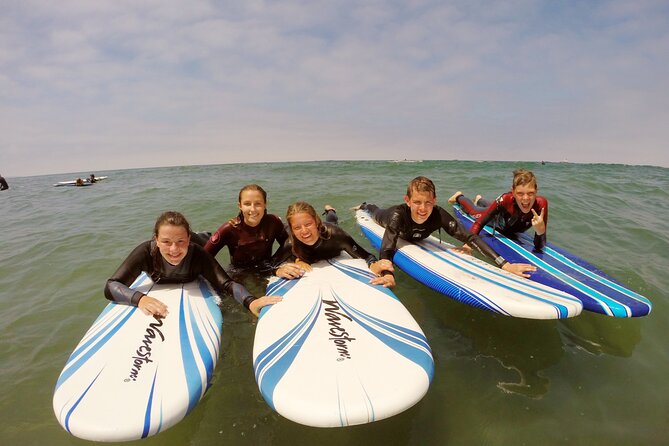
One highlight is that you learn how you can help with ocean conservation. That’s more than a random slogan. It connects your time in the water to the bigger reason people protect surf spots and marine life.
What you can take from it is a practical attitude: you get to enjoy the ocean, and you also learn what actions support it. If you care about sustainability—or simply want to feel like your vacation has a purpose beyond photos—this is a meaningful add-on.
Even if your main goal is learning to surf, this conservation piece gives the lesson an extra layer. It turns a physical activity into something with context, so you leave thinking about the ocean as more than a backdrop.
Timing and fitness: how to set yourself up for an easier lesson
This is a 2-hour lesson, roughly. That means you should plan your day so you’re not rushing from work stress or heading straight into a long drive afterward.
The experience calls for moderate physical fitness. You don’t have to be an athlete, but you should expect paddling and getting up on the board takes effort. If you’ve spent months avoiding any kind of exercise, you might still be able to do it, but your first attempts may feel more challenging than you expect.
Also, this experience requires good weather. Surf lessons live and die by conditions. If weather isn’t cooperative, you’ll be offered a different date or a full refund. That’s not a “maybe”—it’s the reality of outdoor training near the ocean.
A good strategy: schedule something flexible nearby. If conditions change, you’ll be glad you built your day around the lesson instead of trying to force everything else to fit a strict timeline.
What you’re really paying for: value in private time
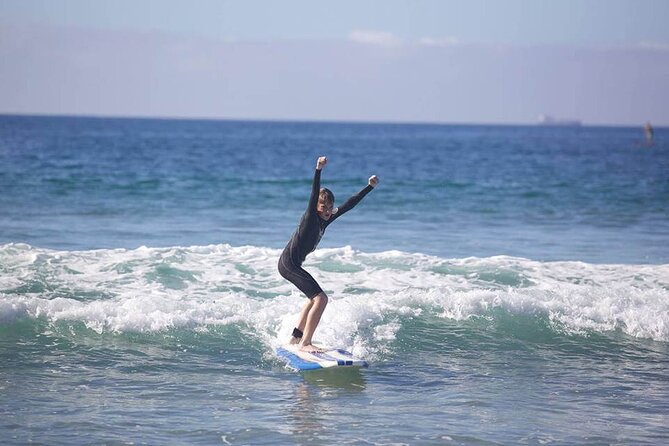
Even without talking about price, you can still judge value. Here, the value comes from how the lesson uses your time.
You get:
- One group (your group only), which keeps attention focused
- CPR-certified instruction and safety-first teaching
- equipment included (wetsuit and surfboard), reducing extra costs and stress
- a full lesson arc in 2 hours: footwork, then the real ocean work
- level-based coaching, so you’re not stuck in content that’s too easy or too hard
That combination matters. Surf is skill-based and fast-moving. The difference between progressing and plateauing is usually feedback timing. In a private setting, you don’t lose momentum waiting your turn.
And if you’re the type who wants a guide who can build confidence quickly, the Cady and Jake mentions are telling. When first-timers get up during the lesson, that’s not luck—it’s good instruction matched to real learning needs.
Who this surf lesson fits best
This 2-hour private lesson is a strong match if:
- you want personal coaching instead of sharing instructor time
- you’re a beginner who wants a clear path from beach basics to wave attempts
- you’re intermediate or advanced and want improvement tailored to your comfort and ability
- you like activities that combine fun with learning (including ocean conservation)
- you’re comfortable with moderate physical effort
If you’re looking for a relaxed, casual stroll on the beach only, this won’t be that. Surfing here is a real lesson, with paddling and technique work. Plan for it like a workout with a payoff.
Should you book this La Jolla private surf lesson?
Yes—if you want the fastest path to a confident first ride (or a real technique boost) with safety-minded, CPR-certified coaching. The private format, the included wetsuit and board, and the structured beach-to-water progression are exactly what make a 2-hour lesson feel productive instead of random.
Book it especially if you’re nervous about learning. The teaching style described—like getting first-timers into the water during the session—signals that the instructors work to keep you comfortable while still pushing you forward.
Only pass if you know you can’t handle moderate physical activity or if your schedule can’t flex around weather. Surf is weather-dependent, and this experience will respect that reality.
FAQ
How long is the private surf lesson?
It’s about 2 hours.
Where does the lesson start?
You meet at Tourmaline Surf Park, San Diego, CA 92109, USA.
Is this a private group or shared class?
It’s private. Only your group participates.
What’s included in the lesson?
You’ll get a surfboard, a wetsuit, and bottled water.
Will the instructor teach beginners and advanced surfers?
Yes. The lesson is for beginners, intermediate, and advanced surfers, tailored to your ability and comfort level.
Are the instructors trained for safety?
Yes. The instructors are CPR-certified, and safety is the top priority.
What happens if the weather is poor?
If it’s canceled due to poor weather, you’ll be offered a different date or a full refund.
Can I get a refund if I cancel for personal reasons?
No. The experience is non-refundable and can’t be changed for any reason.
If you want, tell me your surfing level (first-timer, intermediate, or advanced) and your ideal time of day. I’ll suggest how to plan around the lesson so you get the most out of those two hours.
From Coronado to La Jolla: More Workshops
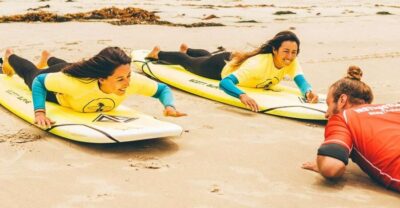
More Surf Lessons on the San Diego Coast
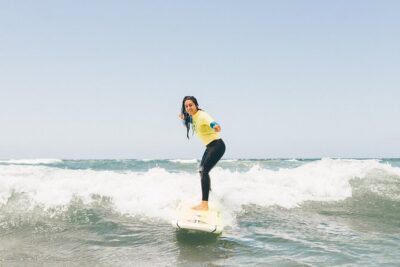
The La Jolla Coast, a Few More Ways
Just added: fresh San Diego tours worth a scroll




La Jolla Coast Tours, compared.
 ★ 4.5La Jolla Sea Caves Kayak Tour For Two (Tandem Kayak)From $751,205 reviews
 ★ 4.5Original La Jolla Sea Cave Kayak Tour for TwoFrom $109871 reviews
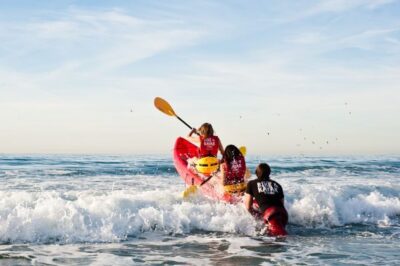 ★ 4.5La Jolla: 2-Hour Kayak Tour of the 7 CavesFrom $80586 reviews
 ★ 5.0SoCal Riviera Electric Bike Tour of La Jolla and Mount Soledad438 reviews
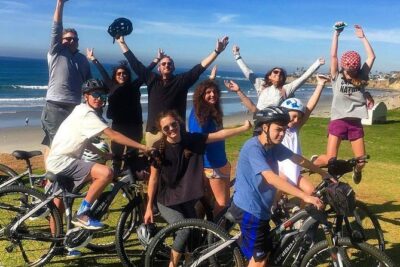 ★ 5.0Cali Dreaming Electric Bike Tour of La Jolla and Pacific Beach387 reviews
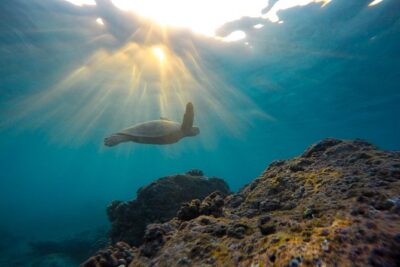 ★ 4.5Snorkeling Adventure in La Jolla204 reviews
 ★ 4.1La Jolla: 2.5-Hour Kayak and Snorkel TourFrom $129165 reviews
 ★ 5.0La Jolla Sea Caves Kayak Tour (Single Kayak)From $74164 reviews
Browse the lists this tour appears in