
REVIEW · WORKSHOPS
Intro to Wild Clay/Earthenware Pottery Workshop
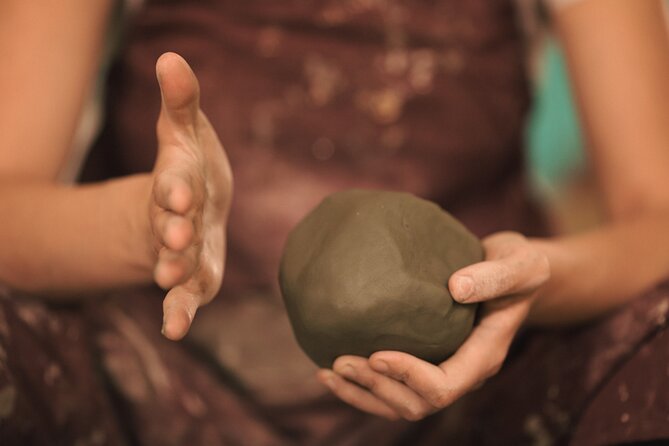
There’s something oddly calming about clay in your hands. This San Diego–area wild clay earthenware pottery workshop turns Lake Cuyamaca into a real classroom, where you learn to spot clay, process it, and shape a small vessel you can take home. I love the hands-on focus and the chance to understand how materials behave in the real world; I also love that you get open-fire firing instructions rather than the usual drop-off-and-leave. One possible drawback: you’ll need good weather, and the open-fire plan means you should be comfortable doing some work after the class.
You’ll meet at The Pub at Lake Cuyamaca (15027 CA-79, Julian, CA 92036) and head into the experience from there. The whole thing lasts about 3 hours and is run as a private activity, meaning it’s just your group. It’s offered in English, and you’ll get a mobile ticket plus confirmation at booking.
The standout here is the instructor’s personal approach. Becky Sangha shares local history and stories tied to the raw materials, then guides you through making something small, manageable, and fun—exactly the kind of workshop that feels like a Sunday morning worth traveling for.
In This Review
- Key highlights to know before you go
- San Diego pottery workshop logistics: 3 hours, one meeting point, private group
- Where you’ll learn: Lake Cuyamaca’s role in the whole class
- Spotting clay in the wild: what this lesson is really about
- Processing harvested clay: the step most workshops skip
- Making and designing your small earthenware vessel
- Firing your pot with open-fire instructions at home
- What Becky Sangha brings to the experience (beyond the hands-on craft)
- Price and value: why $72 feels fair for what you get
- Who this workshop is best for (and who should think twice)
- Timing and planning: booked ahead for a reason
- Quick FAQ for your planning
- FAQ
- How long is the earthenware pottery workshop?
- How much does the workshop cost?
- Where do we meet?
- What will I make during the workshop?
- Do I get any instructions after the class?
- Is the workshop private?
- Is there a language option?
- What happens if the weather is bad?
- Should you book Wild Clay/Earthenware Pottery in Julian?
Key highlights to know before you go
- Wild clay identification: you’ll learn how to recognize clay in nature, not just work with pre-made material
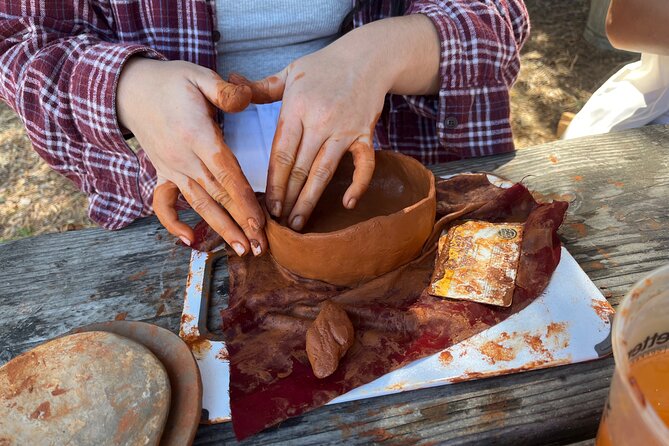
- Small earthenware vessel making: you’ll shape and design a compact pot/mug-type project during the class
- Hands-on processing: you’ll work through how harvested clay is handled before shaping
- Open-fire at home plan: you leave with instructions so you can fire your piece yourself
- Lake Cuyamaca setting near Julian: the class is tied to the outdoor environment you’re learning from
- Private group format with Becky Sangha: a more personal pace than big-group classes
Other workshops we have tried across San Diego
- Onewheel Electric Hoverboard Lesson and Bay Ride
★ 5.0 · 98 reviews - Stand up Paddle Board Lesson on The San Diego Bay
★ 5.0 · 25 reviews - Semi-Private Surf Lesson
★ 5.0 · 19 reviews - Group Surf Lesson
★ 5.0 · 14 reviews - Private Surf Lesson
★ 5.0 · 13 reviews
San Diego pottery workshop logistics: 3 hours, one meeting point, private group
This is the kind of workshop that’s easy to plug into a day-trip from the San Diego area, because it stays tight and direct. You start at The Pub at Lake Cuyamaca on CA-79 in Julian and return there at the end. Expect roughly 3 hours total, give or take, which is a sweet spot if you want a creative activity without losing half the day.
Price matters here. At $72 per person, you’re paying for a guided, outdoors-to-your-hands experience, not just a studio craft session. You’re also paying for instruction that includes the whole chain: identifying clay outdoors, processing it, creating a small earthenware piece, and then receiving instructions to fire it on your own afterward. When you compare that to typical pottery classes that focus only on shaping, the value is in the full process.
The workshop is also private, so you won’t be squeezed into a large crowd. That usually makes a difference with clay work, where everyone’s pace and questions can be different. If you’re traveling with friends or family, this format makes the class feel more like a shared activity than a timed factory line.
Two practical notes from the basic setup:
- The experience requires good weather. If weather doesn’t cooperate, you’ll be offered another date or a full refund.
- You should have a moderate physical fitness level. Since you’ll be outdoors near Lake Cuyamaca while learning about clay, plan on being able to handle uneven ground and time outside comfortably.
Where you’ll learn: Lake Cuyamaca’s role in the whole class
The class is built around Lake Cuyamaca as the real source of the materials and the real learning environment. That’s a big deal. Most pottery workshops start with already-prepared clay and skip the step that teaches you why clay behaves the way it does.
Here, you go in with a different mindset: you’re learning to see clay as a natural resource. That means the outdoor setting isn’t just scenic background. It’s part of the lesson plan—how to look, what to notice, and how to treat what you harvest.
And yes, Lake Cuyamaca in this region has that remote, outdoorsy vibe people look for when they want something more authentic than a classroom behind glass. Even if you’re not a hardcore outdoors person, the change of scenery can make the making part feel more meaningful. You’re not just producing an object—you’re learning a connection between land and material.
Spotting clay in the wild: what this lesson is really about

A key promise of this workshop is learning how to identify clay in the wild. That’s more than a fun fact. It’s the skill that turns pottery from a purely studio hobby into something you can understand at the source.
You’ll learn the thinking behind clay identification—how to recognize the material you’ll be working with, and how that recognition affects everything that comes next. In practical terms, you’re being trained to:
- notice clay characteristics where you find it
- understand that not all dirt is the same for pottery purposes
- see processing as part of making clay usable
The payoff is confidence. When you know what you’re looking for and why, you’ll feel less intimidated if you ever try the process again on your own. And even if you never do, you’ll walk away with a better explanation for what you’re seeing during the class.
Processing harvested clay: the step most workshops skip
After clay identification comes processing harvested clay, and this is where a lot of beginners would normally get lost—because it’s not glamorous. It’s not a finished product yet. But it’s essential.
In this workshop, you’ll learn how harvested clay is handled so it becomes workable for shaping. That likely includes steps that improve consistency and make the clay suitable for building a small earthenware vessel. You don’t need to be a chemist to enjoy it, but you do need to be willing to get a little hands-on.
This is also where the workshop’s outdoor approach pays off. When you’ve just been taught how to find the clay, processing it feels like the logical next chapter instead of a random studio step. You’ll have a clearer story in your head from start to finish.
- San Diego Zoo 1-Day Pass: Any Day Ticket★ 4.5 · 4,248 reviews
- San Diego Harbor Cruise★ 4.5 · 2,980 reviews
- San Diego Hop On Hop Off Trolley Tour★ 4.5 · 2,523 reviews
- San Diego Whale Watching Cruise★ 5.0 · 2,317 reviews
Making and designing your small earthenware vessel
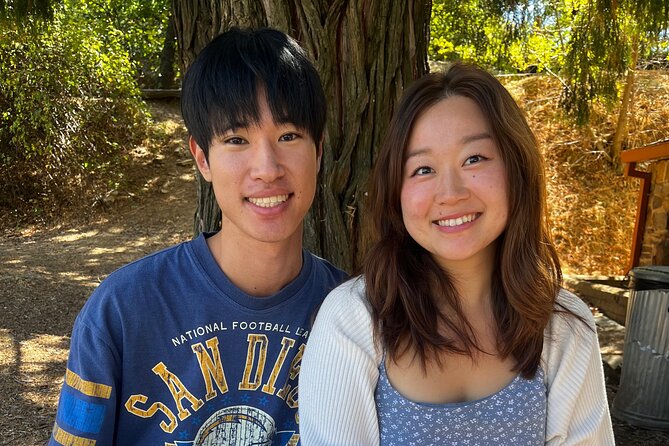
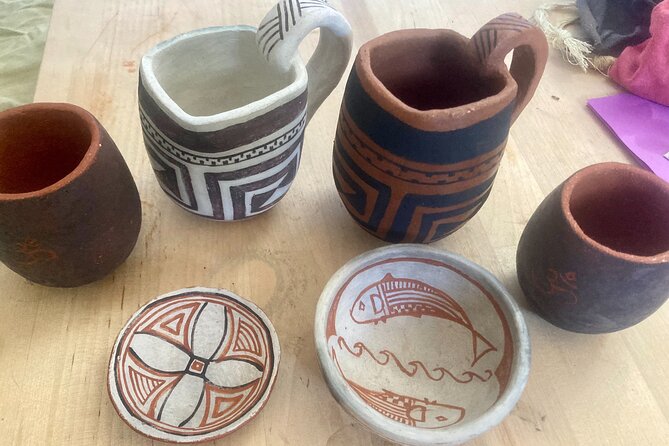
The central hands-on part is making and designing a small earthenware pottery vessel. The emphasis is on something doable within the workshop timeframe, so you’re not waiting days in a production schedule. You’re learning how the vessel takes shape, and you’re putting your own design touch on it.
Earthenware has a certain feel compared with other pottery types—more approachable for many beginners—and it’s a great match for a class that also teaches you how to fire at home. Since you’re being sent home with a plan for firing, the workshop is structured for a piece that can realistically be finished outside a professional kiln setting.
What I like about how this is framed: the vessel is small. That’s smart value. You get the satisfaction of creating something you can actually use or display later, and you’re not stuck with the stress of a huge project.
Firing your pot with open-fire instructions at home
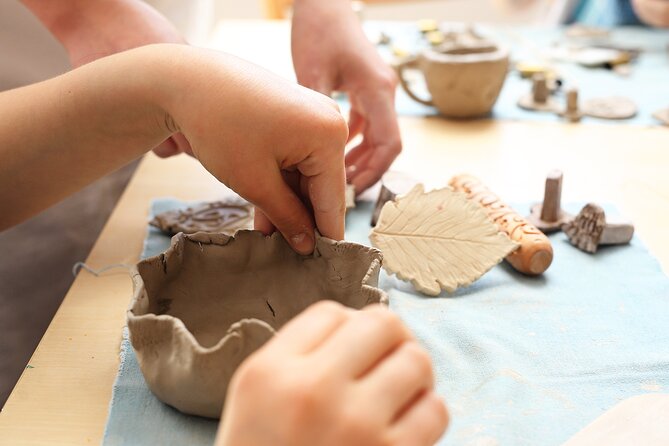
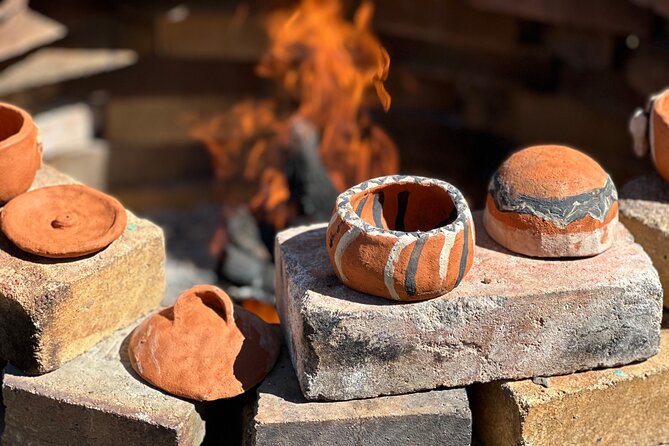
This is the part that makes the experience more than a one-and-done souvenir. You’ll be sent home with instructions for firing your pot in an open fire on your own.
That changes what you’re buying. You’re not just paying for class time. You’re paying for an after-class outcome plan—so your creative effort has a finish line.
A couple things to consider before you assume everything will be effortless:
- Open-fire firing is practical, not complicated magic. If you don’t enjoy hands-on follow-through, you may feel the post-class steps more than you expect.
- You’ll want to follow the instructions carefully, since open-fire firing conditions are different from controlled kiln settings.
If you do like experimenting and learning from process, this section of the workshop is genuinely satisfying. It turns the workshop into a mini project you can continue at home, and you’ll likely feel more connected to the end result because you’ve seen the material journey start with identifying clay outdoors.
What Becky Sangha brings to the experience (beyond the hands-on craft)
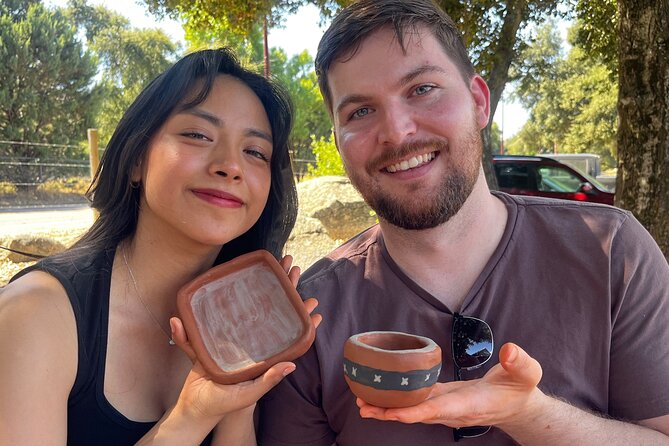
Becky Sangha isn’t just running a craft station. Her teaching style includes local history and stories about how the natural materials came about, and the vibe is described as both authentic and friendly.
That matters because it explains the why. Clay identification and processing can sound technical, but when someone ties it to where the materials actually fit in the region—how people understand the land, how resources show up, what the raw stuff means—it makes the lessons easier to remember.
Also, based on what the class is described as delivering, you can expect a relaxed tone. This isn’t a stiff, lecture-heavy workshop. It’s more like a morning where you learn, make, and chat—while still getting structured instruction so you leave with something tangible and a real plan to finish it.
Price and value: why $72 feels fair for what you get
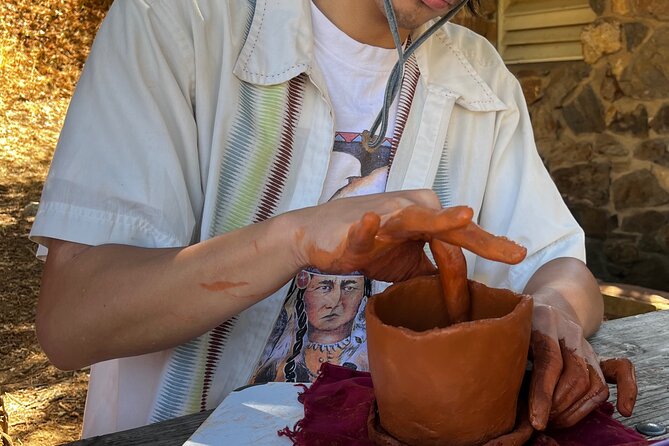
Let’s talk value in plain terms.
You’re paying $72 per person for about 3 hours. In that time, you get:
- outdoor instruction tied to Lake Cuyamaca
- lessons on identifying clay in the wild
- instruction on processing harvested clay
- time to make and design a small earthenware vessel
- and then instructions to fire using an open fire at home
Many pottery experiences stop at shaping. Some include firing, and some don’t. This one stands out because it includes the path from natural material to finished pot instructions. That can be a big deal if you’re the type who wants more than just a craft souvenir.
The private format also adds value. In a larger class, you often lose time to crowd flow and waiting. Here, your group stays together, and the instructor can adjust to your questions and pace.
Who this workshop is best for (and who should think twice)
This workshop is a great fit if you:
- want a hands-on San Diego-area experience with a real outdoors component
- enjoy learning practical skills like working with natural materials
- like craft that continues after the class, since open-fire firing is part of the journey
- are traveling with a small group and want something more personal than a big public class
It may be less ideal if you:
- are uneasy about being outdoors and working on uneven ground while following instruction
- want a fully finished, ready-to-use pottery piece without any follow-up at home
- don’t want to handle open-fire firing yourself after the workshop
Timing and planning: booked ahead for a reason
On average, this activity is booked about 20 days in advance, which is a polite way of saying it’s not the kind of thing you should treat as “maybe we’ll find time later.” If your trip schedule is tight, book early so you get the day that matches your weather window.
Also remember: confirmation comes at booking, and the experience is offered in English. The fact that you get a mobile ticket is just the practical modern touch you’ll want in place before you drive out to Julian.
Quick FAQ for your planning
FAQ
How long is the earthenware pottery workshop?
It runs about 3 hours (approx.).
How much does the workshop cost?
The price is $72.00 per person.
Where do we meet?
Meet at The Pub at Lake Cuyamaca, 15027 CA-79, Julian, CA 92036, USA.
What will I make during the workshop?
You’ll make and design a small earthenware pottery vessel.
Do I get any instructions after the class?
Yes. You’ll be sent home with instructions for firing your pot in an open fire on your own.
Is the workshop private?
Yes. It’s listed as a private tour/activity, so only your group will participate.
Is there a language option?
The experience is offered in English.
What happens if the weather is bad?
The experience requires good weather. If it’s canceled due to poor weather, you’ll be offered a different date or a full refund.
Should you book Wild Clay/Earthenware Pottery in Julian?
I think you should book it if you’re after a workshop that feels rooted in place—where Lake Cuyamaca isn’t just scenery and where you learn how to work with materials from the start. The biggest selling points are the full process: clay identification outdoors, processing, making your small vessel, and leaving with open-fire firing instructions so you can finish the project at home.
Book it especially if you like practical learning and a friendly, story-driven instructor like Becky Sangha. It’s also a nice option for couples or friends who want a private group experience with less waiting and more hands-on time.
If you want zero follow-up at home, or if outdoor conditions make you nervous, you might want to choose a different style of pottery class. But if you’re game for a hands-on skill and a finishing plan, this one is a strong pick.
From Coronado to La Jolla: More Workshops
Just added: fresh San Diego tours worth a scroll






Workshops, compared.
 ★ 5.0Onewheel Electric Hoverboard Lesson and Bay RideFrom $7998 reviews
 ★ 4.9La Jolla: 1.5-Hour Surfing LessonFrom $13941 reviews
 ★ 5.0Stand up Paddle Board Lesson on The San Diego BayFrom $2525 reviews
 ★ 5.0Semi-Private Surf LessonFrom $12519 reviews
 ★ 5.0Group Surf LessonFrom $11314 reviews
 ★ 5.0Private Surf LessonFrom $16213 reviews
 ★ 5.0Private Group Surf LessonFrom $2895 reviews
 ★ 5.02 Hour Private Group Surf Lesson in La Jolla3 reviews
Browse the lists this tour appears in